
What Makes a Candle “Clean-Burning”?
“Clean-burning” is one of the most common phrases shoppers look for when buying candles—but it’s also one of the most misunderstood. A clean-burning candle is less about hype and more about materials, craftsmanship, and how the candle is used.
Wax Type Matters
The wax is the foundation of how a candle performs. Many shoppers prefer soy wax because it’s plant-based and tends to burn steadily when poured and cured correctly. Wax choice alone doesn’t guarantee perfection, but it’s a major factor in burn quality.
Wick Selection Is Everything
The wick controls the flame size, melt pool, and how efficiently wax is consumed. If a wick is too large, the candle can smoke or burn too hot. If it’s too small, the candle can tunnel. Well-made candles match wick size to the vessel and wax type.
Fragrance Oils and Additives
Quality fragrance oils matter. A properly formulated candle uses fragrance oils designed for candles and balances the fragrance load so the candle burns evenly without struggling. Overloading fragrance can reduce performance, even if it smells strong in the container.
Burn Habits Make or Break Performance
Even the best candle can burn poorly if it’s not used correctly. For the cleanest burn:
- Trim the wick to about ¼ inch before lighting
- Let the wax melt to the edges on the first burn
- Avoid drafts from fans, vents, or open windows
- Stop burning when about ½ inch of wax remains
What “Clean-Burning” Should Look Like
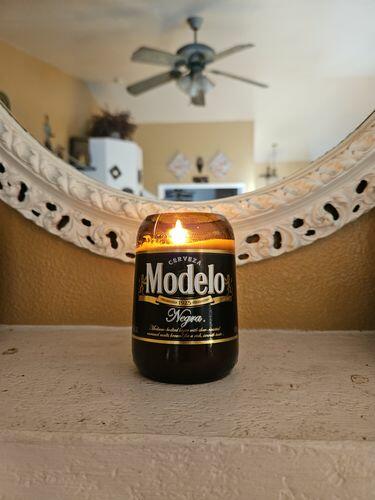
A clean-burning candle should have a steady flame, minimal visible smoke, and an even melt pool (after it has had enough time to warm). A tiny amount of soot on the jar over time can still happen, especially in drafts—but good materials and good burn habits dramatically reduce it.
Explore Clean-Burning Options
If you want clean-burning home fragrance with a steady, even burn, explore these collections:
Quick reminder: the simplest “clean burn” upgrade is trimming the wick every time. It takes 5 seconds and makes a noticeable difference.

Written by Jay Preuss